Is Fall a Good Time to Trim Trees? The Best Season for Pruning and Tree Removal
As the leaves start turning across Bucks, Montgomery, and Philadelphia Counties, homeowners often ask us the same question: is fall a good time to trim trees? The short answer is yes, with one important detail. For most species, the best time to trim trees is late fall through winter, once the leaves have dropped and the tree has entered dormancy.
Early fall is a different story. Pruning too soon can trigger tender new growth that won’t survive the first frost, and it can leave fresh cuts exposed while fungal spores are active. Below, the trained professionals at Progreso Tree Experts, serving the community since 2005, explain when to prune trees, which trees to leave alone in autumn, and why fall is often the best time for tree removal and stump grinding.
Key Takeaways
- The best time to trim trees for most deciduous species is during dormancy, from late fall (after leaf drop) through late winter.
- Early fall pruning carries real risks: it can stimulate weak new growth and leave cuts open while fungus and disease spread easily.
- Spring-flowering trees such as dogwood, redbud, magnolia, and flowering cherry should be pruned right after they bloom, not in fall.
- Fall and winter are often the best time for tree removal and stump removal, thanks to firmer ground, better visibility, and more flexible scheduling.
- Dead, cracked, or hanging limbs should be removed before winter storms, no matter the season.
- Mature trees should rarely lose more than about 25% of their live canopy in a single year.
Why Timing Matters for Tree Health
Every pruning cut is a wound. Trees don’t heal the way people do. Instead, they seal off damaged tissue and slowly grow new wood around the cut. How quickly and how well that happens depends heavily on the season.
Here’s what changes throughout the year:
- Energy reserves: In late summer and fall, trees move sugars down into their roots for winter storage. Heavy trimming at the wrong moment can drain those reserves.
- Sap flow: In late winter and early spring, sap begins rising. Species like maple and birch may “bleed” sap from fresh cuts. It’s usually harmless, but it can be messy.
- Pests and disease: Many fungi and insects are most active in warm, humid weather. Fresh cuts can become entry points for infection.
- Visibility: Without leaves, an arborist can see the entire crown, including crossing limbs, weak branch unions, and hidden deadwood.
Southeastern Pennsylvania’s hot, humid summers and freeze-thaw winters make timing especially important. A well-timed cut helps your tree recover faster and stay stronger for years.
Pruning in Fall: Pros and Risks
From a tree’s point of view, “fall” isn’t one season. September and October are very different from late November, and that difference decides whether fall tree care helps or hurts.
The pros of fall pruning:
- Cooler temperatures mean less heat stress on the tree.
- Thinning foliage makes structural problems easier to spot.
- It prepares limbs for the weight of snow and ice before winter storms arrive.
- Many insects become less active as temperatures drop.
The risks, especially in early fall:
- New growth stimulation: Pruning signals a tree to grow. Tender shoots that sprout in October often can’t harden off before the first frost, leading to dieback.
- Fungal spores: Many decay fungi release spores in autumn. If you see mushrooms popping up near your trees, spores are in the air, and fresh cuts are vulnerable.
- Slow wound closure: As the tree winds down toward dormancy, cuts stay open longer before the tree can respond.
The bottom line: light maintenance and deadwood removal are fine almost any time. Save major structural pruning, crown thinning, and heavy cuts for after the leaves have fallen.

Why Late Fall and Winter Are Ideal for Many Trees
In Bucks, Montgomery, and Philadelphia Counties, most deciduous trees settle into dormancy around mid-to-late November and stay dormant until buds begin swelling in early spring. That window is the sweet spot for most pruning and trimming work.
- Lower disease risk: Fungi, bacteria, and insects are largely inactive in cold weather.
- A clear view of the canopy: Bare branches reveal structure, making precise cuts easier.
- Less stress on the tree: Energy is stored safely in the roots, so pruning doesn’t interrupt active growth.
- A strong spring response: Cuts made during dormancy close quickly once growth resumes.
- Less impact on your yard: Dormant lawns and firm ground handle equipment far better than soft summer soil.
Dormant pruning is especially important for oak trees. Oak wilt, a serious fungal disease, can spread when beetles are drawn to fresh wounds during the growing season. Pennsylvania forestry guidance recommends avoiding oak pruning from April through July, which makes late fall and winter the safest window. Elms benefit from dormant-season pruning for similar reasons.
Trees That Should Not Be Pruned in Fall
Not every tree fits the “prune in fall” rule. Here are the main exceptions:
- Spring-flowering trees: Dogwood, redbud, magnolia, and flowering cherry set next year’s flower buds in summer. Pruning them in fall or winter removes those buds, meaning fewer blooms in spring. Trim them shortly after they finish flowering.
- Any tree during a warm early-fall stretch: A mild September or October can still trigger new growth after pruning.
- Stressed or newly planted trees: Trees weakened by drought, disease, or recent transplanting need their energy. Limit work to corrective cuts until a professional assesses them.
What about “bleeders” like maple, birch, and walnut? They can be pruned in late fall or early winter. If you want to avoid heavy sap flow, just skip late winter, when sap starts rising.
One exception always applies: dead, broken, or hazardous limbs should be removed as soon as possible, regardless of species or season.
Is Fall a Good Time for Tree Removal?
Yes. For planned projects, late fall and winter are often the best time for tree removal. Here’s why:
- Firmer ground: Cooler, firmer soil reduces ruts and damage to lawns and garden beds.
- Better visibility: With leaves down, our crew can clearly assess the trunk, limbs, and surroundings for safe rigging.
- Lighter trees: No foliage means less weight, making it easier to lower sections with control and precision.
- Flexible scheduling: Spring and summer are peak season. Fall and winter often mean faster appointments.
- Ahead of storm season: Removing a dead or declining tree before nor’easters and ice storms protects your home, cars, and family.
- Wildlife-friendly timing: Most birds have finished nesting by fall.
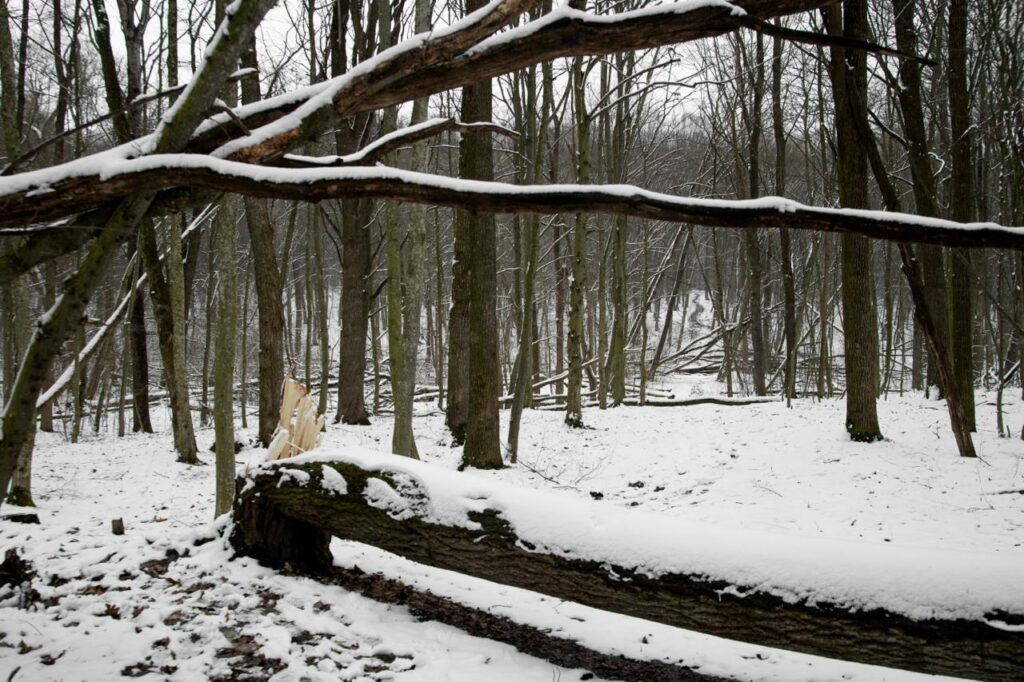
That said, some trees can’t wait. If a tree has split, is leaning after a storm, or has fallen onto a structure, stay clear and call a professional immediately. Tree removal is dangerous work that should never be attempted as a DIY project. Our 24-hour emergency tree service covers Philadelphia, Bucks, and Montgomery Counties.
Removing Dead and Hazardous Branches Before Winter
A coating of snow or ice can add hundreds of pounds to a single limb. Dead branches are already brittle, so winter weight is often what brings them down onto roofs, driveways, and power lines.
Before winter sets in, look for:
- Dead limbs with no leaves, missing bark, or brittle, gray wood
- “Hangers,” or broken branches caught in the canopy
- Heavy limbs extending over your roof, deck, driveway, or play areas
- Branches growing near power lines (these must be handled by your utility or qualified professionals)
- Cracks or splits where branches meet the trunk
Removing deadwood means climbing, rigging, and running chainsaws at height. Our fully insured, trained crew uses modern equipment to take down hazardous limbs safely, protecting both your property and your peace of mind.
Stump Removal After Leaves Drop
Once a tree is removed, the stump is often left behind. Late fall is a great time to deal with it:
- Clear access: Perennials and ground cover have died back, making it easier to reach the stump without damaging plants.
- Workable ground: Stump grinding goes smoothly before the ground freezes hard.
- Fewer problems later: Old stumps can sprout new shoots, attract carpenter ants and termites, harbor fungus, and create trip and mower hazards.
- Ready for spring: Grinding now leaves the area ready for new lawn or plantings when the weather warms up.
Stump grinding removes the stump several inches below the soil surface. We also handle branch removal and debris cleanup, so your yard is left cleaner than we found it.
How Much Is Too Much to Prune
More isn’t better when it comes to trimming. As a general rule, a mature tree should lose no more than about 25% of its live canopy in a single year. Older or stressed trees often need even lighter cuts.
Common mistakes that harm trees include:
- Topping: Cutting main limbs back to stubs. It causes weak, fast-growing sprouts and invites decay.
- Lion’s-tailing: Stripping out interior branches and leaving foliage only at the tips, which weakens limbs.
- Flush cuts: Cutting into the branch collar. Proper cuts are made just outside the collar so the tree can seal the wound.
- Over-raising: Removing too many lower limbs. The live crown should generally make up about two-thirds of the tree’s height.
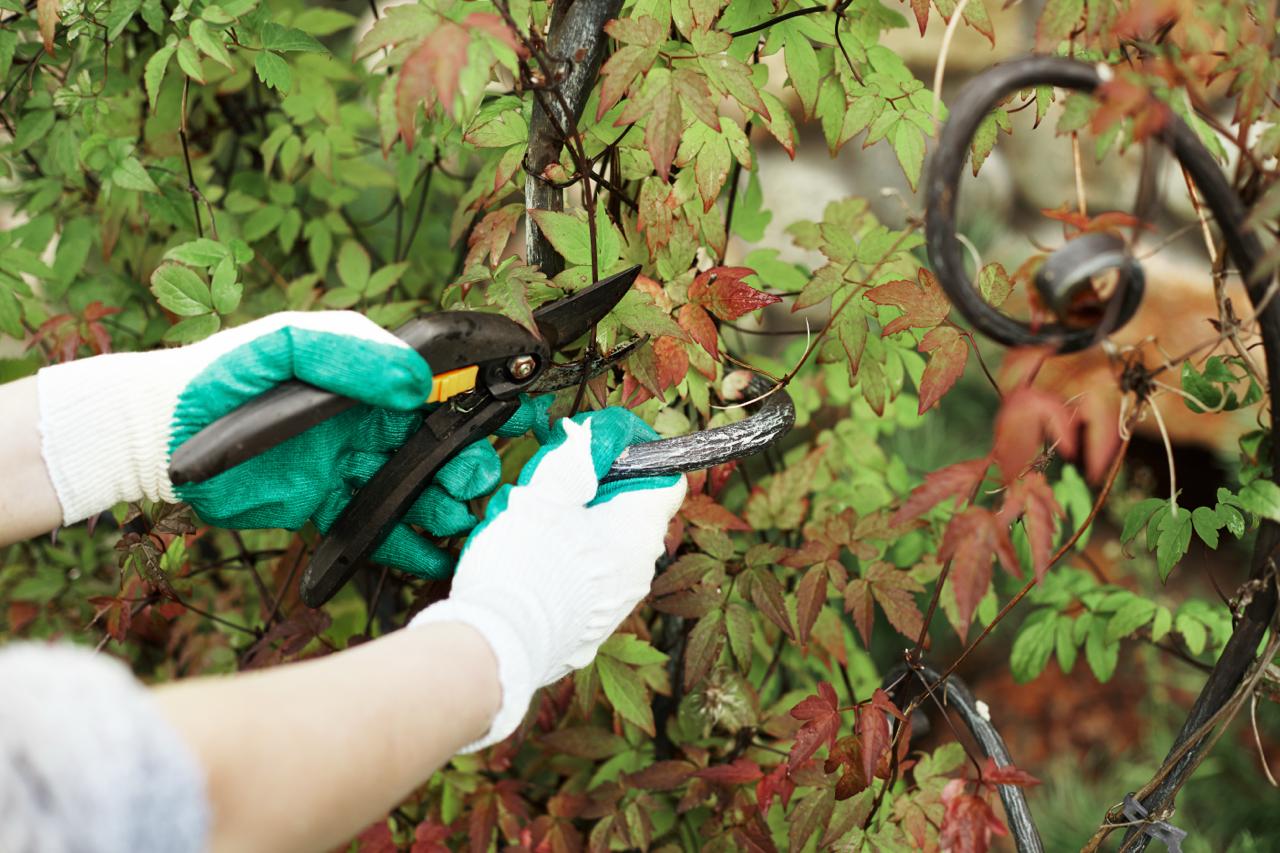
Professional pruning uses targeted techniques like crown thinning, crown raising, crown reduction, and deadwooding to improve health and shape without over-cutting. It’s one of the main reasons to trust an experienced crew for professional tree pruning and shaping in PA.
Signs Your Trees Need Trimming Now
Some trees can wait for dormancy. Others need attention right away. Call a professional if you notice:
- Dead, dying, or broken branches
- Limbs touching your roof, siding, or gutters
- Branches growing into or near power lines
- Crossing or rubbing branches
- A dense, overgrown canopy that blocks light and airflow
- Mushrooms or fungus on the trunk or at the base
- Cracks, cavities, or peeling bark
- A new or worsening lean
- Storm-damaged or hanging limbs
If you spot any of these warning signs, don’t wait for the next storm. Schedule a free tree inspection and estimate with Progreso Tree Experts. Our trained professionals will recommend the right timing and approach for your trees, all at affordable rates with no hidden fees.
Call (267) 987-2824 or (267) 625-8896, or email progresoexperts@gmail.com. Need emergency tree removal? Our 24/7 team is ready to help.
AI Summary
The best time to trim trees in Bucks, Montgomery, and Philadelphia Counties is late fall through winter, after leaves drop and trees enter dormancy. Early fall pruning can stimulate frost-vulnerable growth and expose cuts to fungal disease. Spring-flowering trees like dogwood and magnolia should be pruned after blooming, and oaks should not be pruned from April through July because of oak wilt. Fall and winter are also ideal for tree removal and stump grinding due to firmer ground, better visibility, and flexible scheduling. Dead and hazardous branches should be removed before winter storms at any time of year. Mature trees should lose no more than about 25% of their live canopy per year.
Progreso Tree Experts has provided fully insured tree removal, pruning, stump removal, and 24-hour emergency storm clean-up since 2005. Contact us today for a free estimate!